IBS & bloating.
IBS describes a pattern of symptoms, but it doesn't always explain what's driving them. That's where we begin.
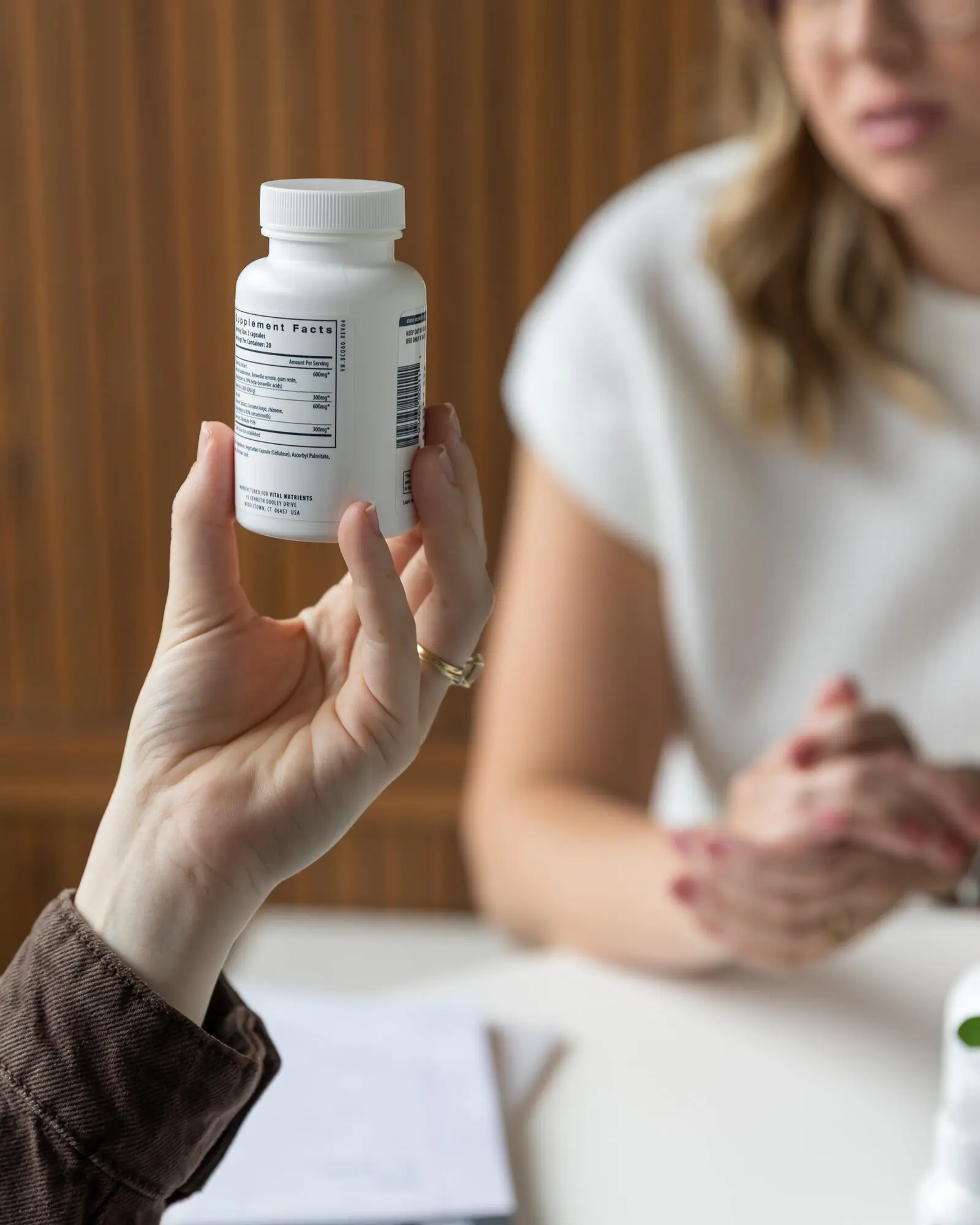
Taking it a step further.
IBS is a diagnosis of exclusion. By the time it lands, most patients have been told nothing structural is wrong. The symptoms remain real.
When we look closer, most IBS turns out to be SIBO, food sensitivities, dysbiosis, low stomach acid, or a combination. Identifying which one changes everything.
How patients describe it.
- Bloating that builds through the day
- Alternating constipation and diarrhea
- Symptoms triggered by specific foods (and not always the obvious ones)
- Sense of incomplete bowel movements
- Symptoms worse with stress
- Fatigue or brain fog alongside gut symptoms
An IBS diagnosis tells us what you're experiencing. My job is to help uncover why you're experiencing it. Dr. Abbie Siudzinski, ND
How we work through it.
Testing first. Stool analysis maps the microbiome and looks for infections. SIBO breath testing identifies bacterial overgrowth. Food sensitivity panels show inflammatory triggers.
The plan addresses what we find. SIBO protocols, targeted antimicrobials, prokinetics, food adjustments, and gut-healing nutrients depending on the picture.
In Dr. Abbie's experience, many patients begin noticing changes within 4 to 8 weeks once the actual driver is addressed. Results vary.
Tests we typically use here.
The specific panels depend on your situation. These are the most common ones for IBS.
Testing is ordered only after your 90-minute first visit, and only when it will change your plan.
See all testing options →- Comprehensive stool analysis
- SIBO breath testing
- Food sensitivity panel
- Comprehensive bloodwork
- H. pylori testing
- Organic acid testing
Before you book.
- Insurance? Foundations is private pay. HSA and FSA are accepted, and superbills are available on request. See pricing.
- What is the first visit? 90 minutes, in person at Knewtson Health Group in Excelsior. Any testing comes after that visit, with the cost reviewed first.
- Coming from farther away? Only the first visit has to be in person. Follow-ups can be in person or virtual, whichever works for you.
Start with a free 15-minute call.
If this sounds like what you're navigating, the 15-minute call is the right place to start.