Insulin resistance.
The metabolic pattern underneath many of the symptoms patients arrive with. Catchable early, reversible in many cases.
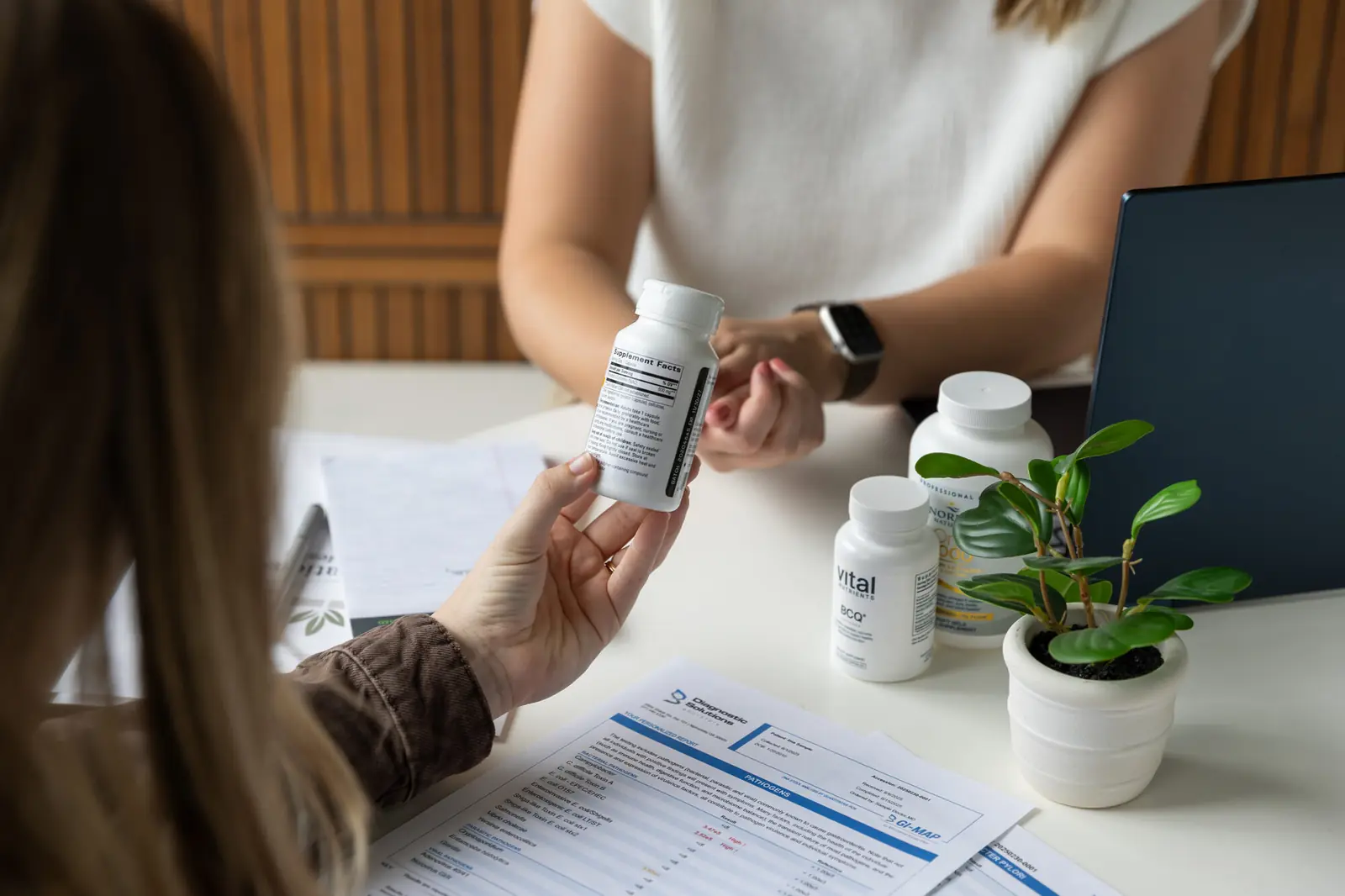
Understanding insulin resistance.
Insulin resistance means cells respond less efficiently to insulin, so the body produces more of it to compensate. Over time this drives weight gain, energy crashes, hormonal disruption, and eventually metabolic disease.
Standard care typically waits until fasting glucose or HbA1c is elevated, which may be years after insulin resistance starts. Earlier detection lets us address it before it escalates.
How patients describe it.
- Weight gain, especially around the middle
- Sugar cravings or energy crashes
- Trouble losing weight despite effort
- Skin tags or darkened skin patches
- Family history of type 2 diabetes
- Female: irregular cycles, PCOS, hormone symptoms
When we identify insulin resistance early, we have the opportunity to change the story before diabetes becomes part of it. Dr. Abbie Siudzinski, ND
How we work through it.
We catch insulin resistance early by testing fasting insulin, HbA1c, and metabolic markers, not waiting for glucose to be abnormal.
The plan addresses the areas of health that affect insulin sensitivity: diet, sleep, movement, and stress. We add targeted herbs and nutrients to help give your body the extra boost it needs.
In Dr. Abbie's experience, many patients notice changes within 8 to 12 weeks once the right pieces are in place. Results vary.
Tests we typically use here.
The specific panels depend on your situation. These are the most common ones for insulin resistance.
Testing is ordered only after your 90-minute first visit, and only when it will change your plan.
See all testing options →- Fasting insulin and HbA1c
- Advanced lipid panel
- Comprehensive bloodwork
- DUTCH hormone panel
- Comprehensive thyroid panel
- Inflammatory markers
- Organic acid test
Before you book.
- Insurance? Foundations is private pay. HSA and FSA are accepted, and superbills are available on request. See pricing.
- What is the first visit? 90 minutes, in person at Knewtson Health Group in Excelsior. Any testing comes after that visit, with the cost reviewed first.
- Coming from farther away? Only the first visit has to be in person. Follow-ups can be in person or virtual, whichever works for you.
Start with a free 15-minute call.
If this sounds like what you're navigating, the 15-minute call is the right place to start.